
JapanWWII
FFL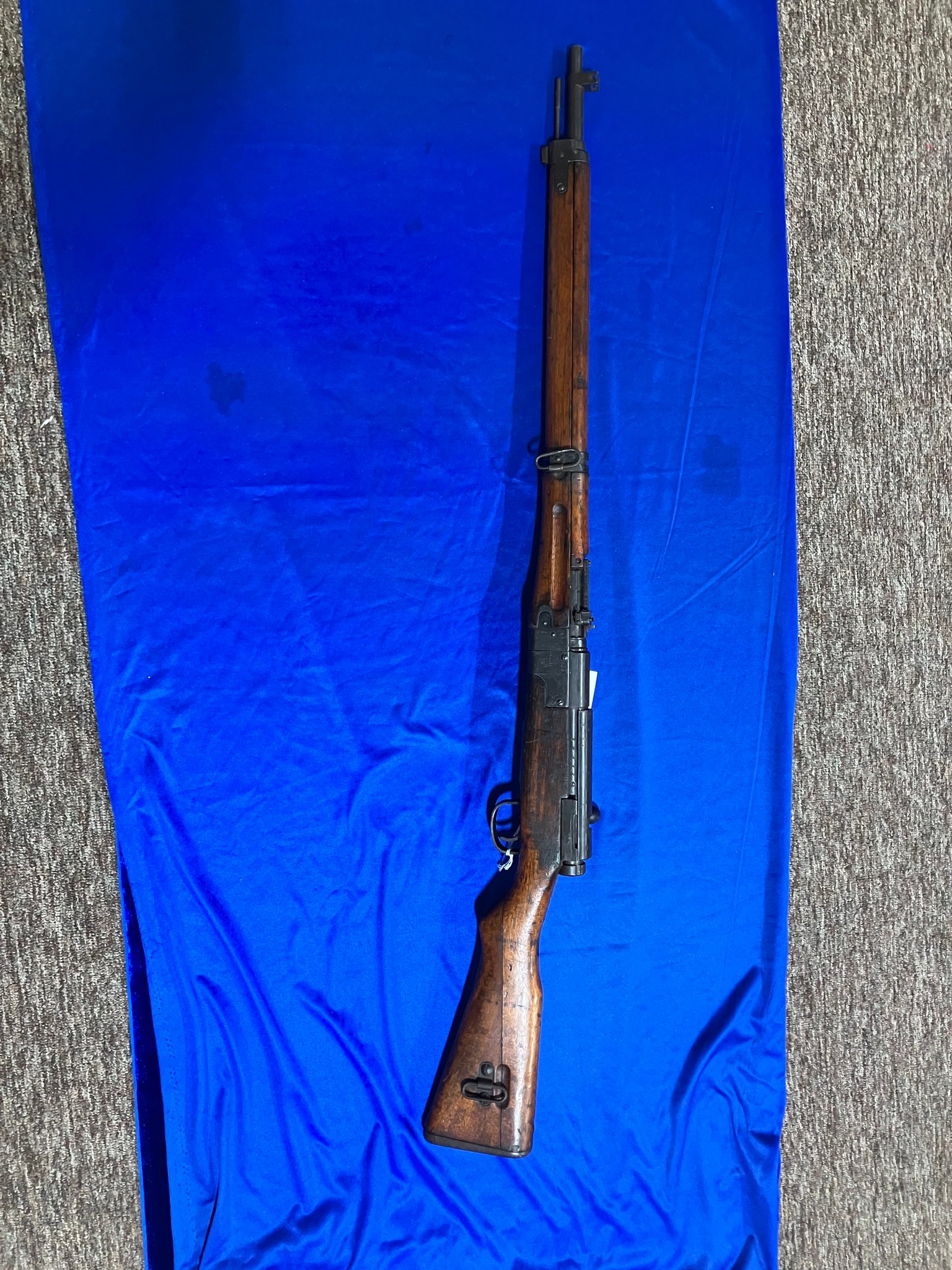
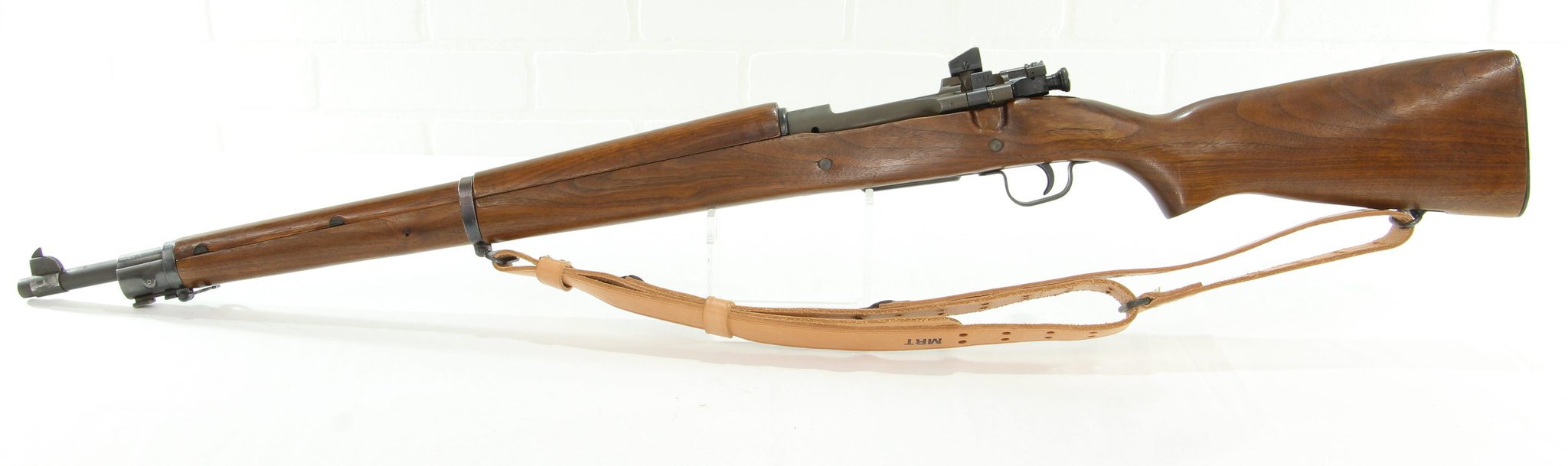
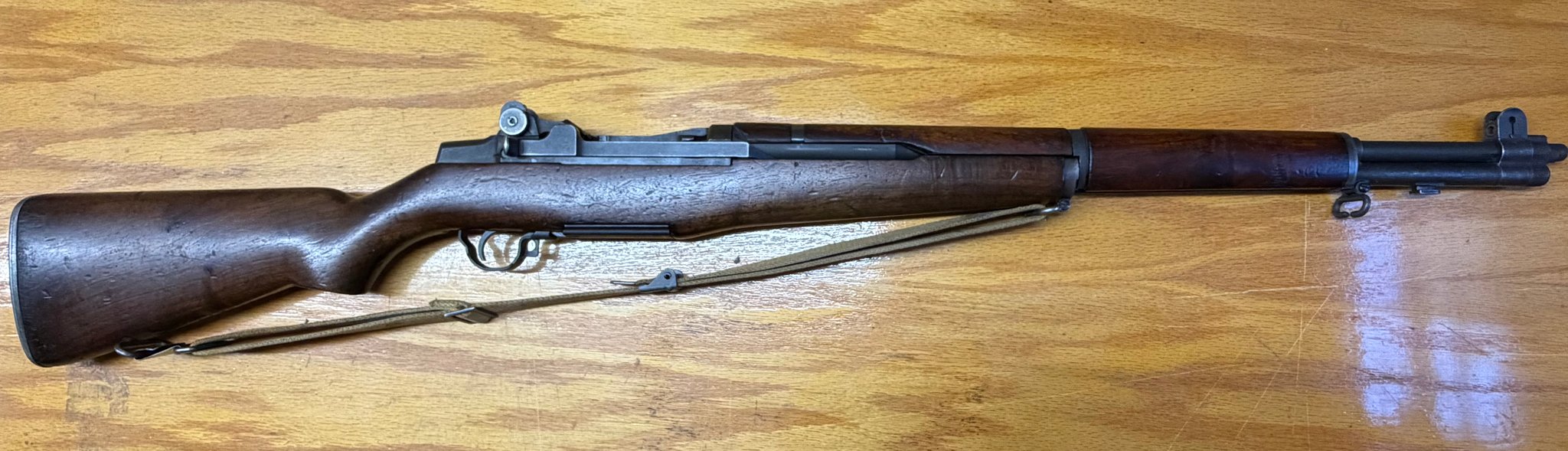
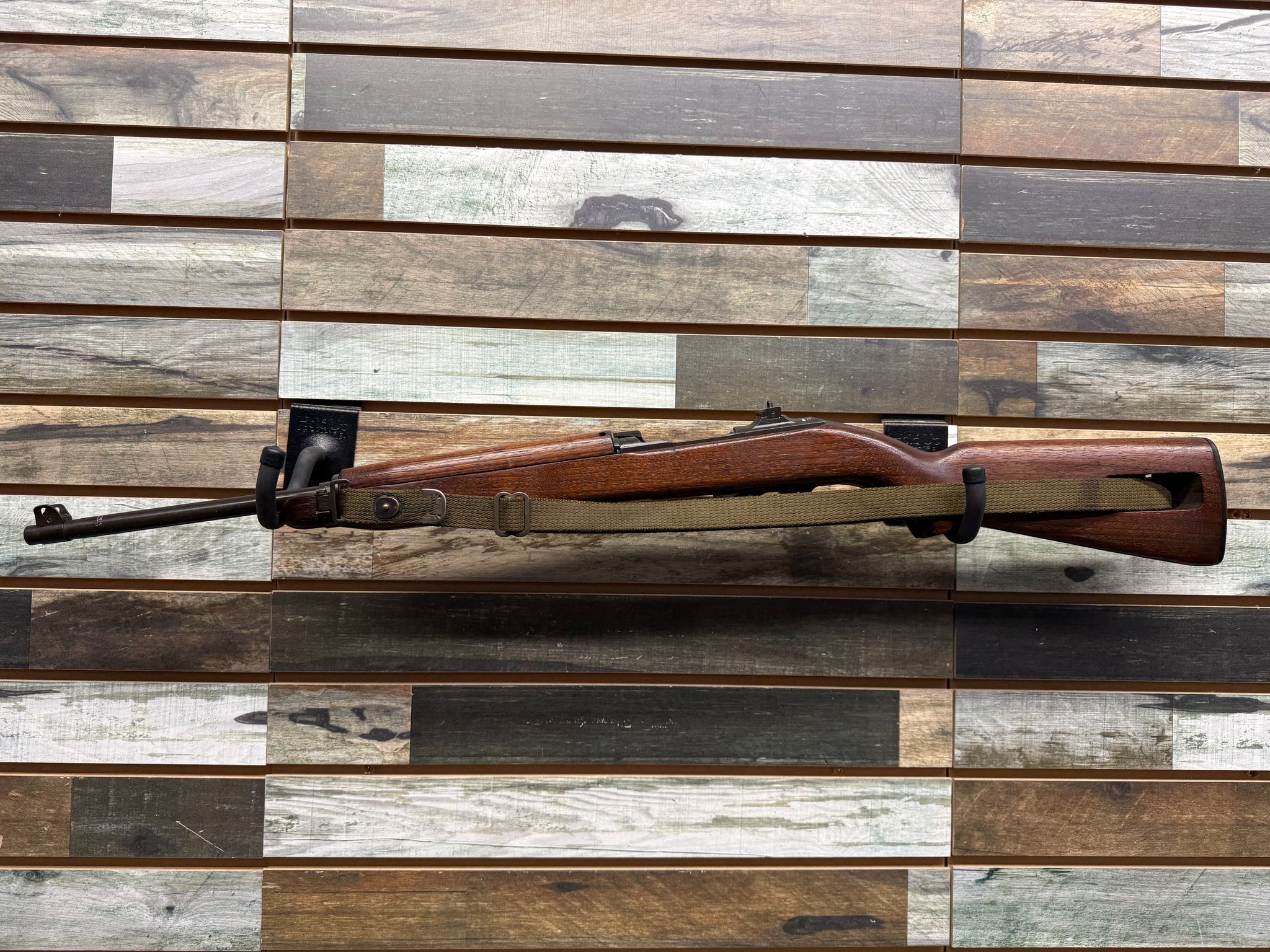
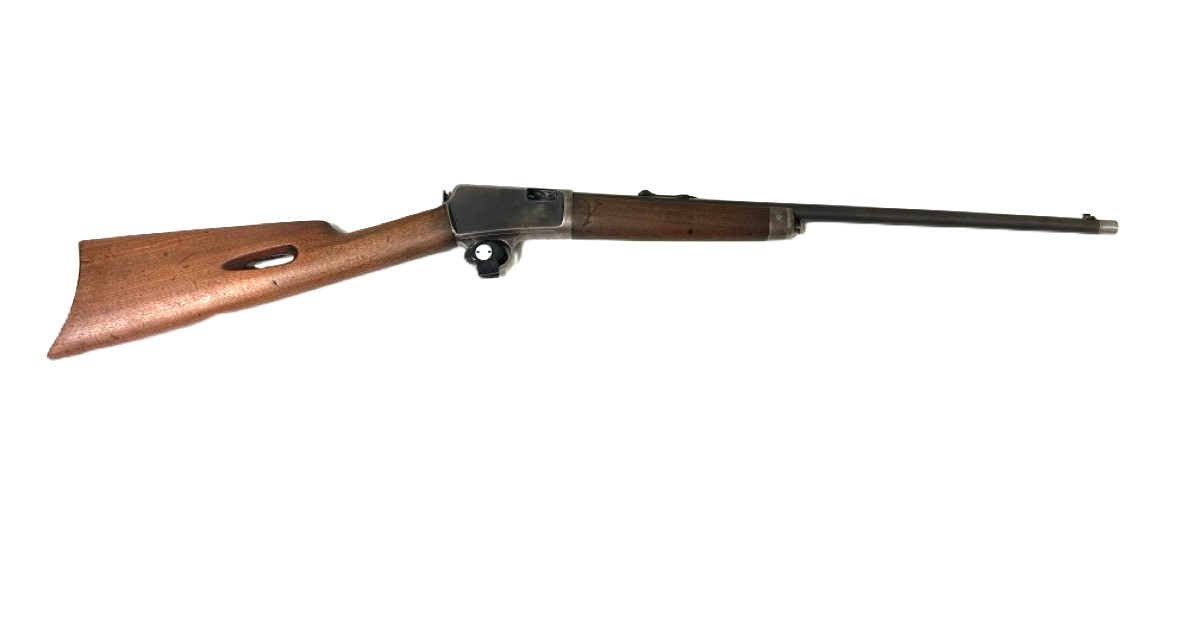
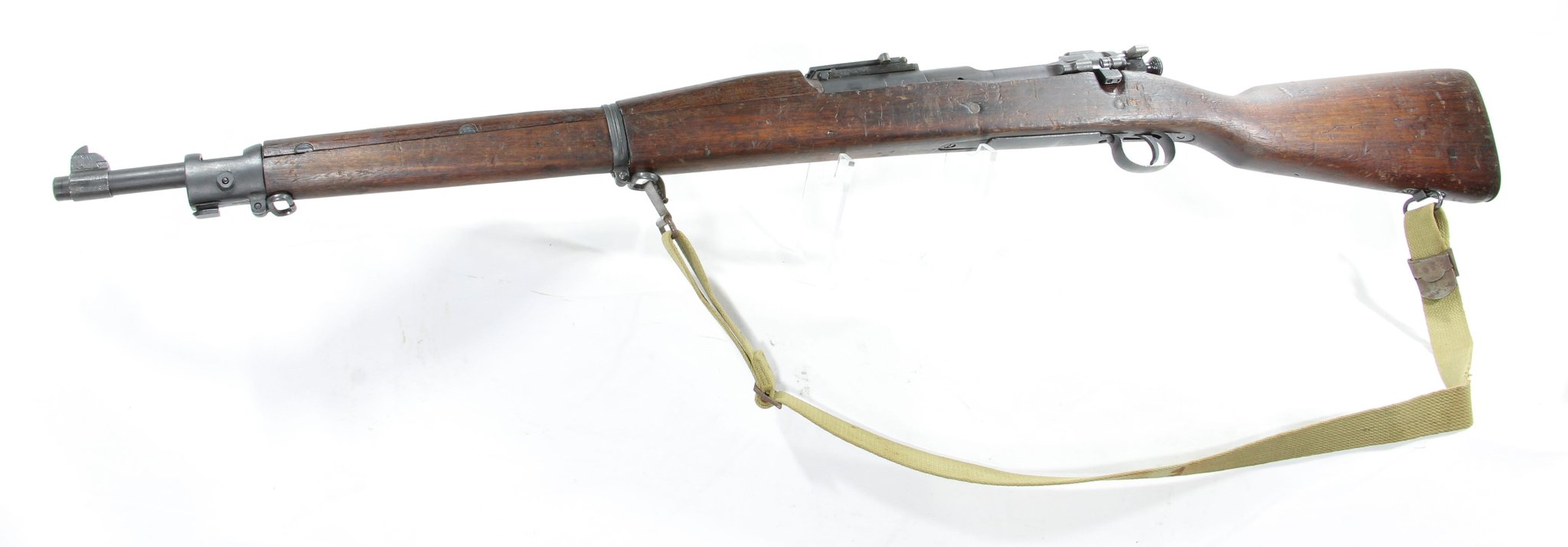
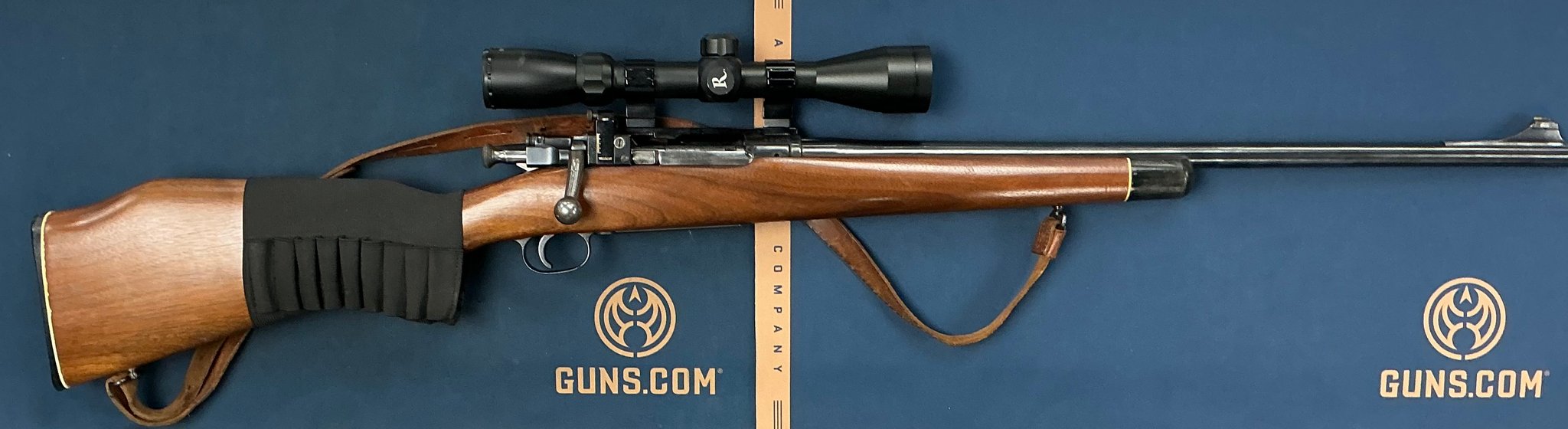
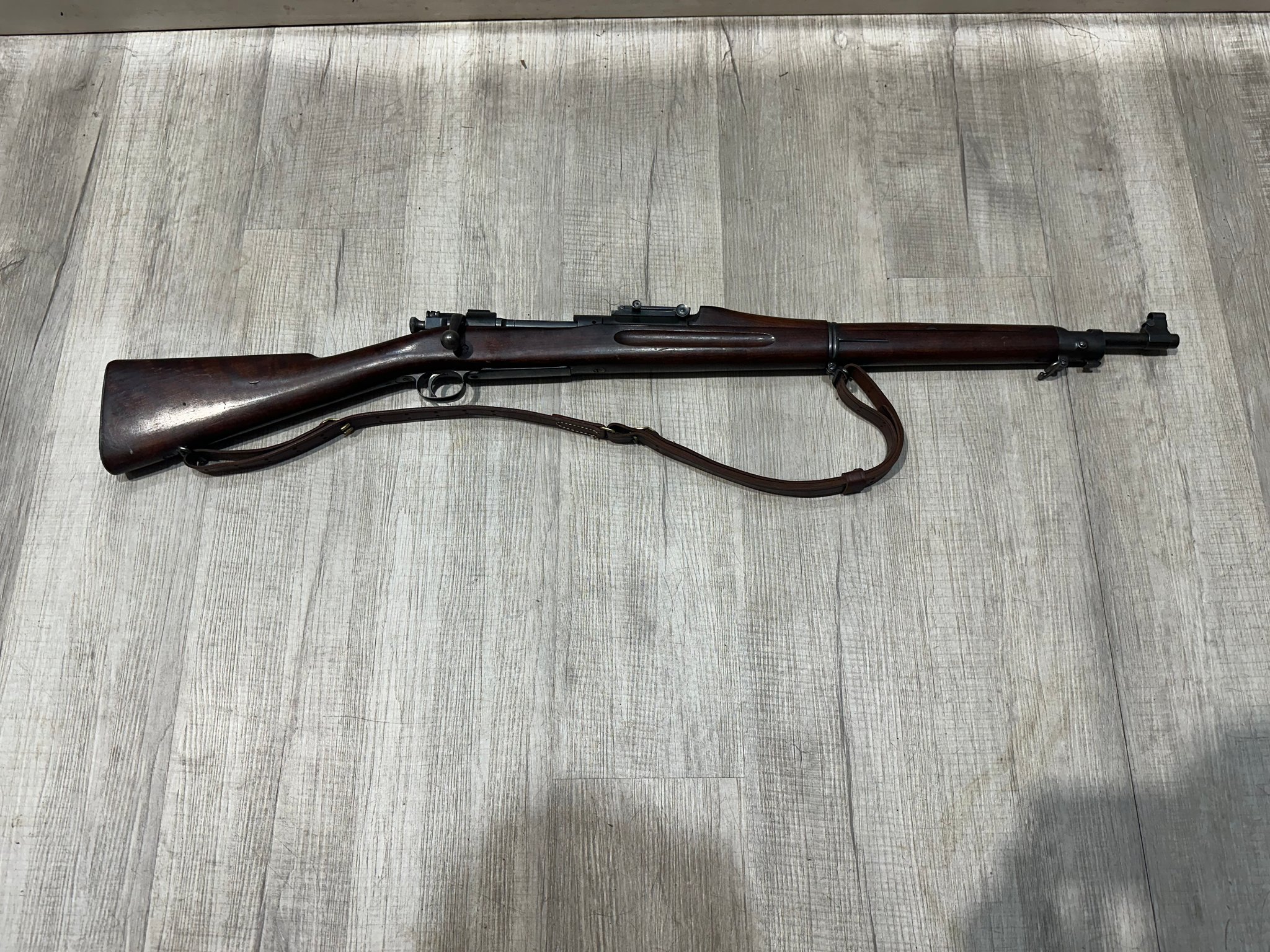
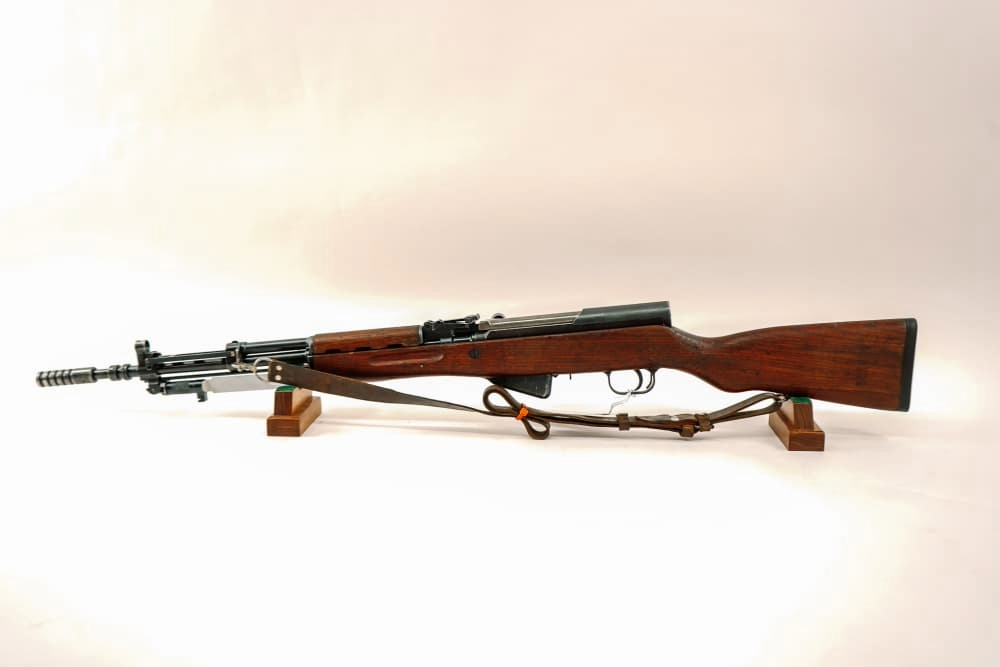
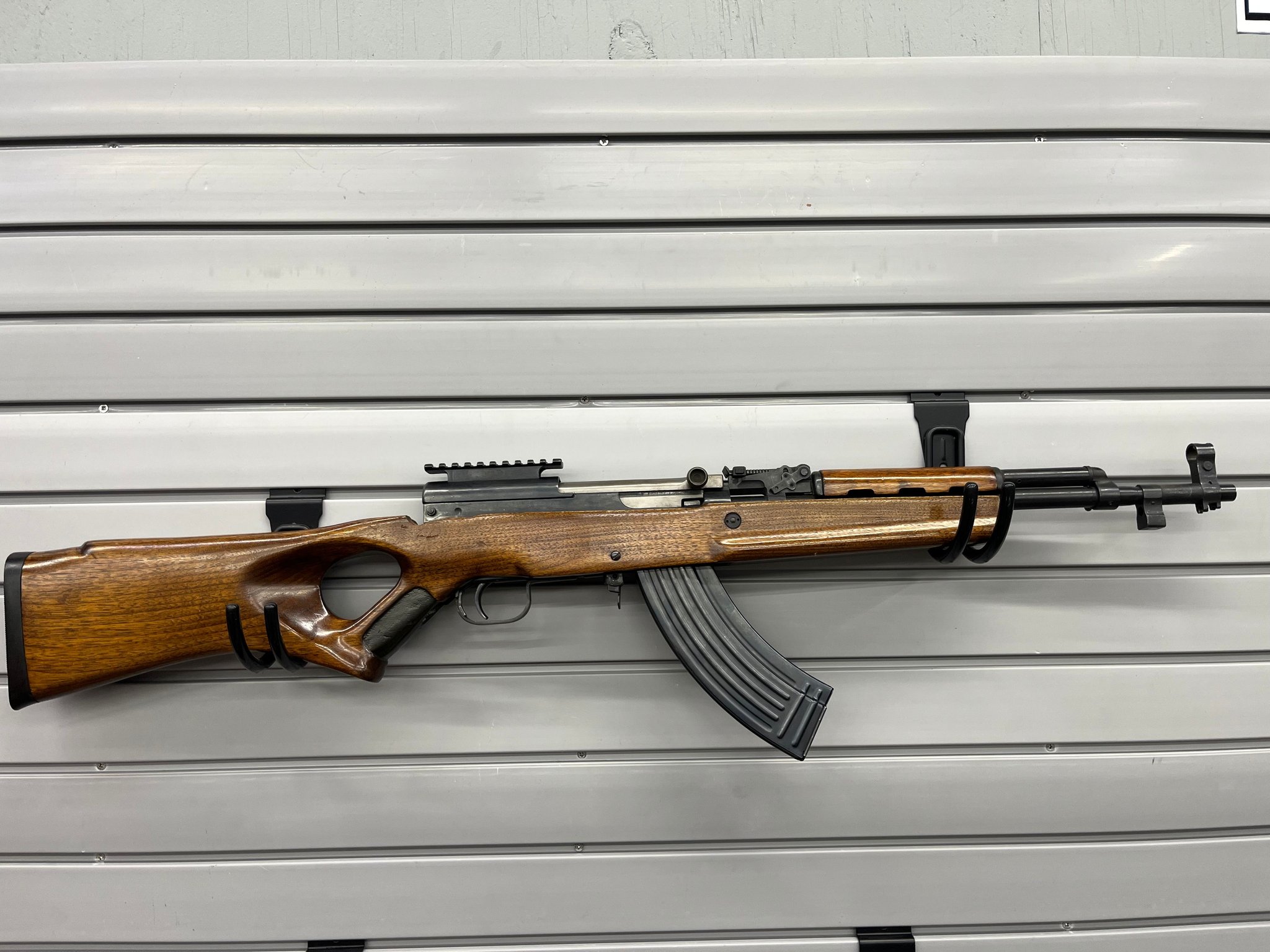
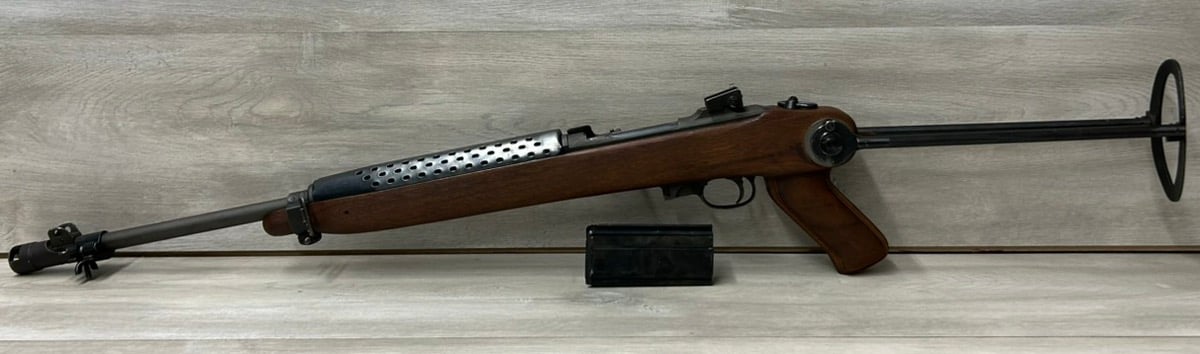
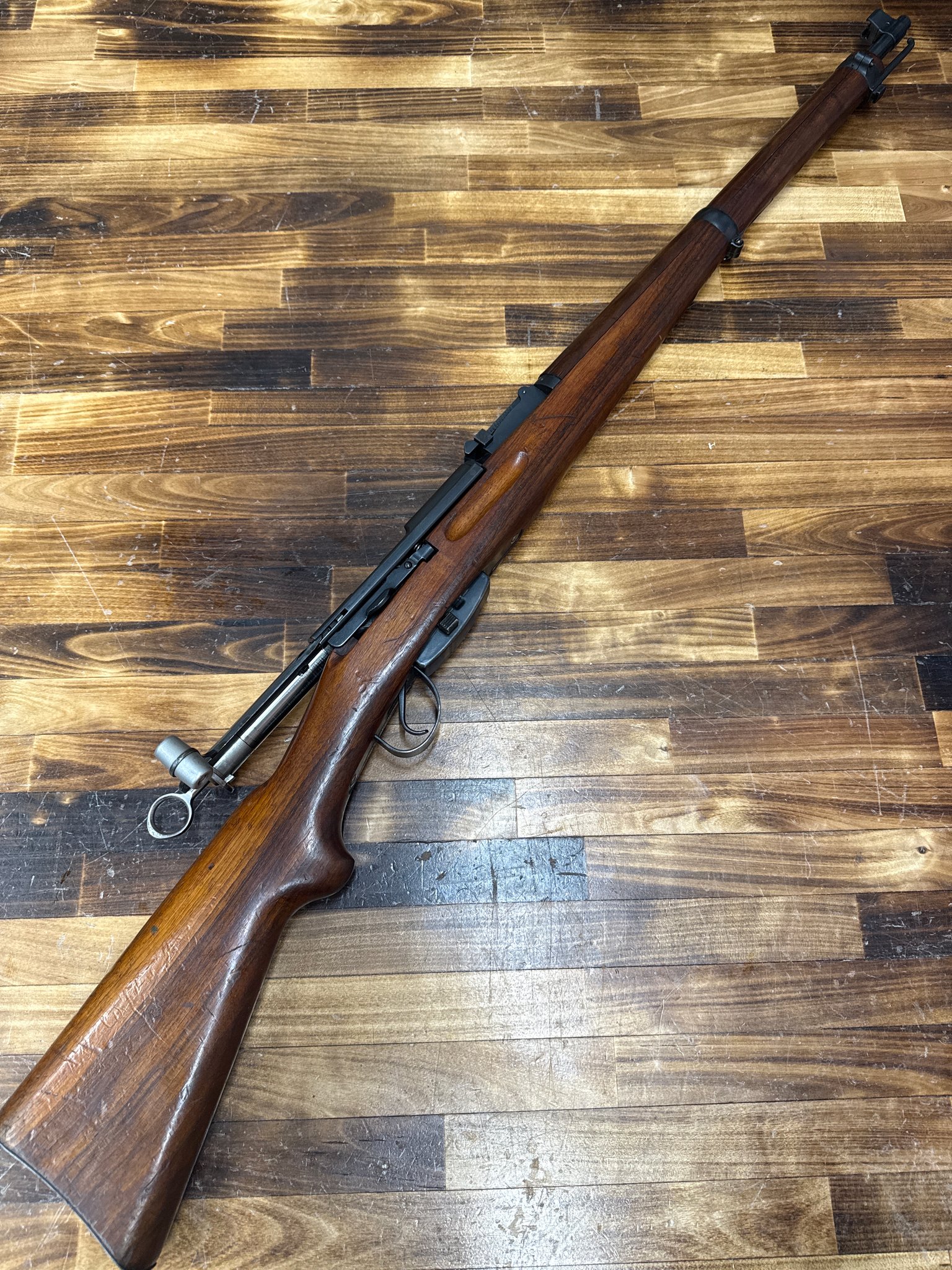
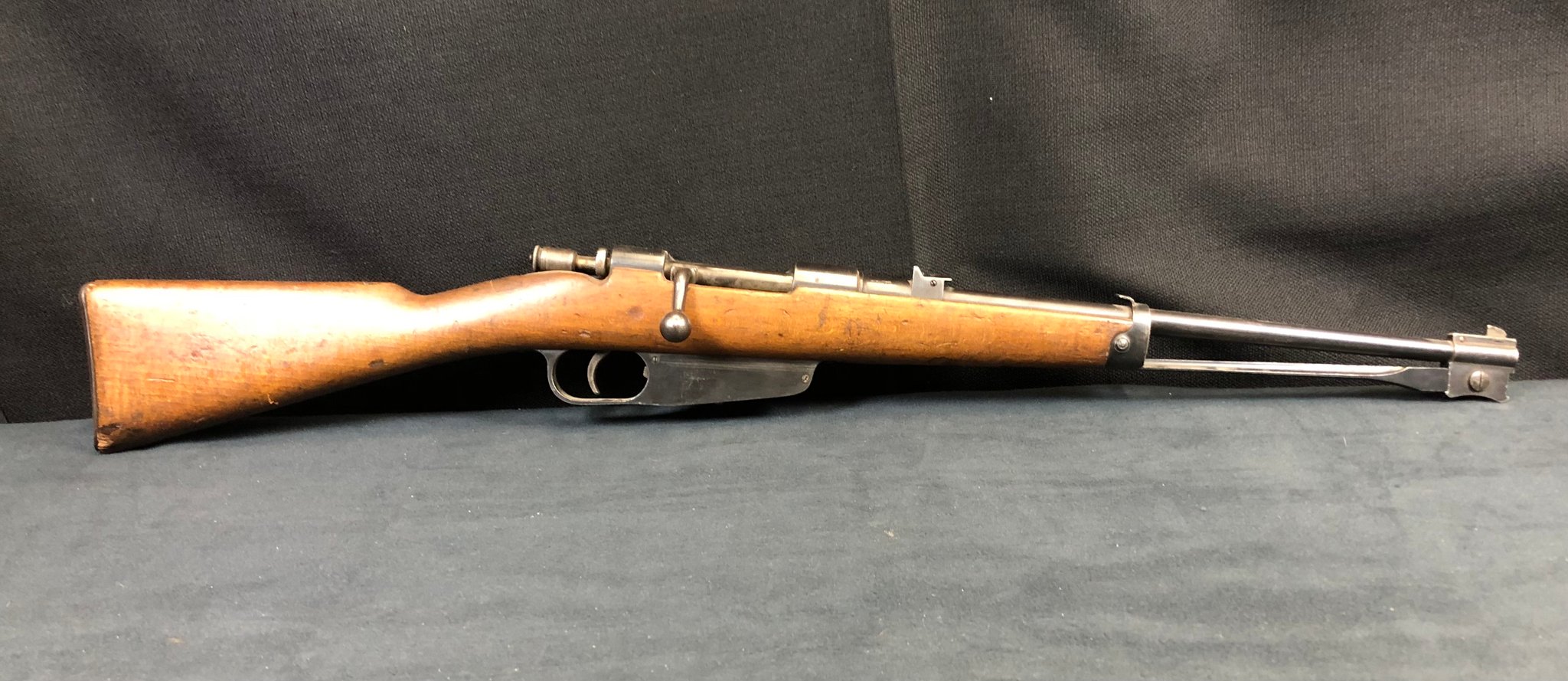
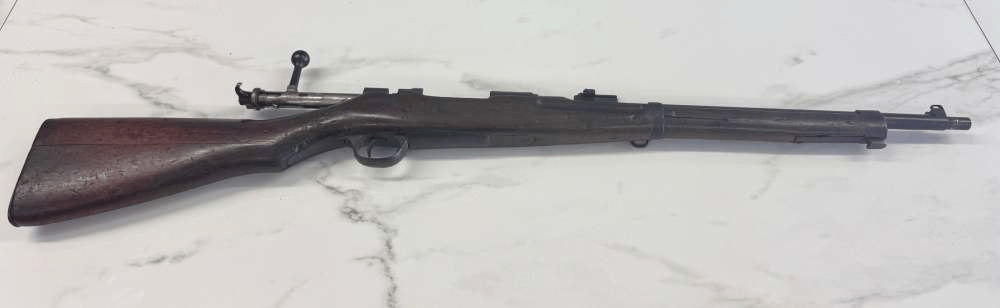
Garands, 1903 and 1903A3 Springfields, Mausers from a dozen countries, Mosin-Nagants, Lee-Enfields, Arisakas, Carcanos, Swiss straight-pulls, SKS and M1 Carbines. Most are single used rifles, each with its own photos, catalogued by nation and era. Every one ships to the FFL dealer you choose, or to your 03 C&R license where it qualifies.
The first smokeless-powder bolt actions: early Mausers, the Swiss Schmidt-Rubin, the Arisaka Type 30 and the rifles of South America.
The rifles of the Great War: Gewehr 98, SMLE, the 1903 Springfield, the M1917 and the Imperial Russian Mosin.
Modernized patterns built between the wars: the vz. 24, the Swiss K31, the Turkish rework and early 91/30s.
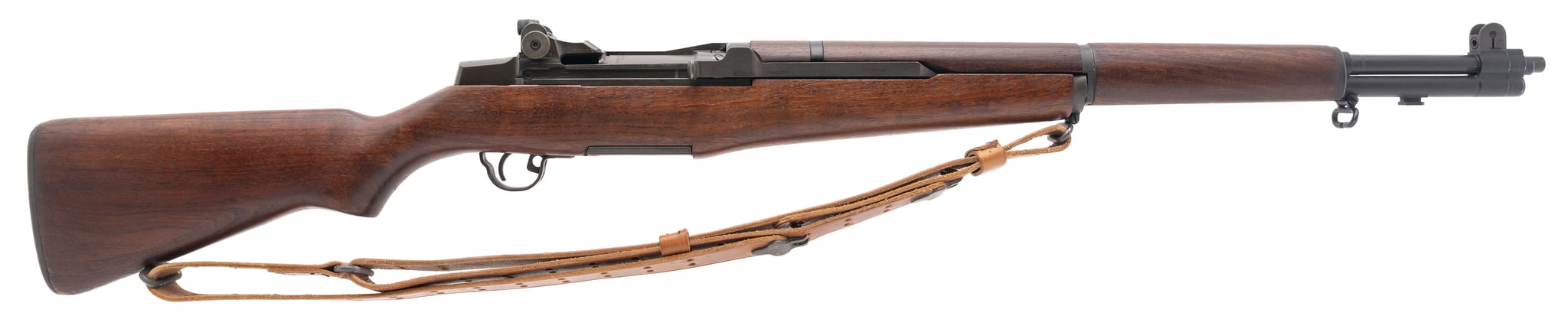
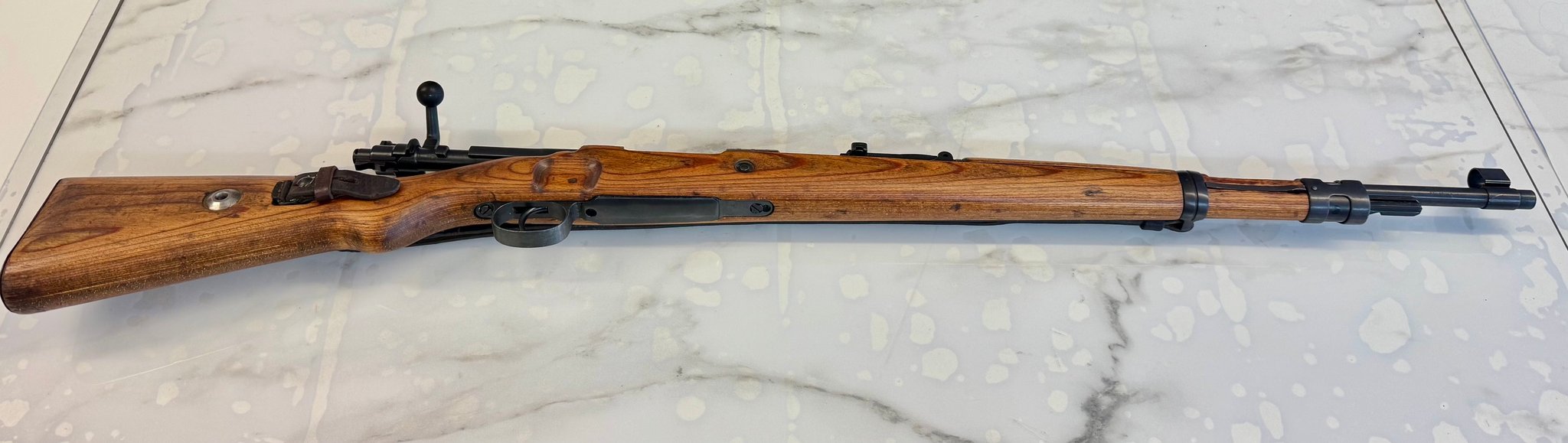
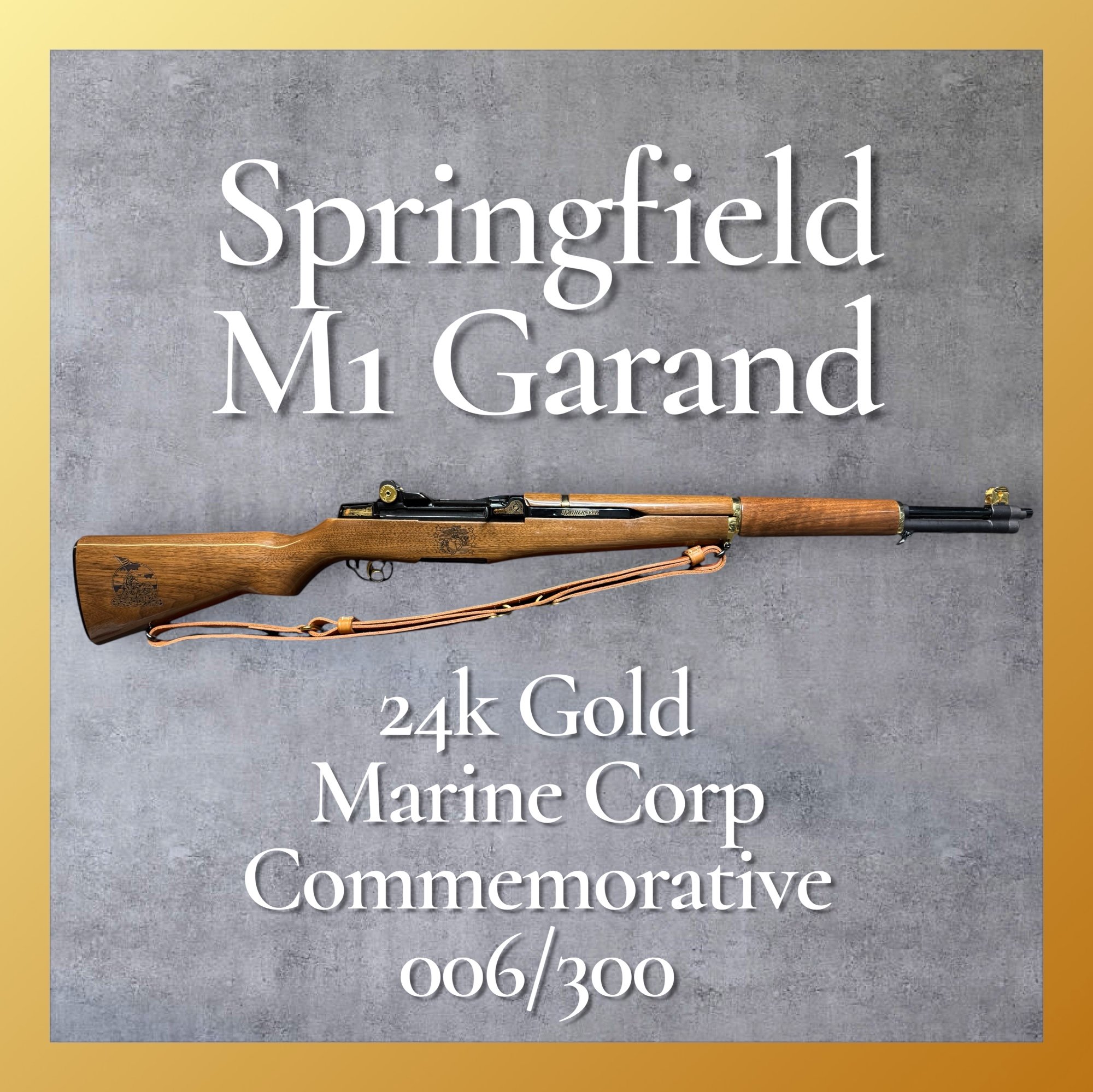
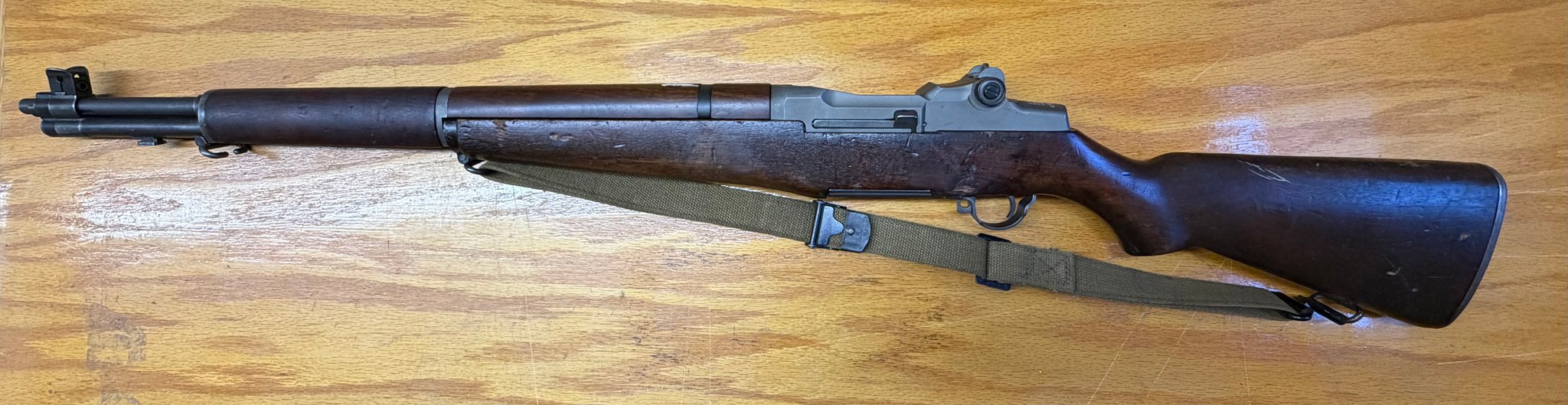
The great production years: K98k, M1 Garand, 1903A3, No. 4 Mk I, 91/30, Arisaka Type 99 and the M1 Carbine.
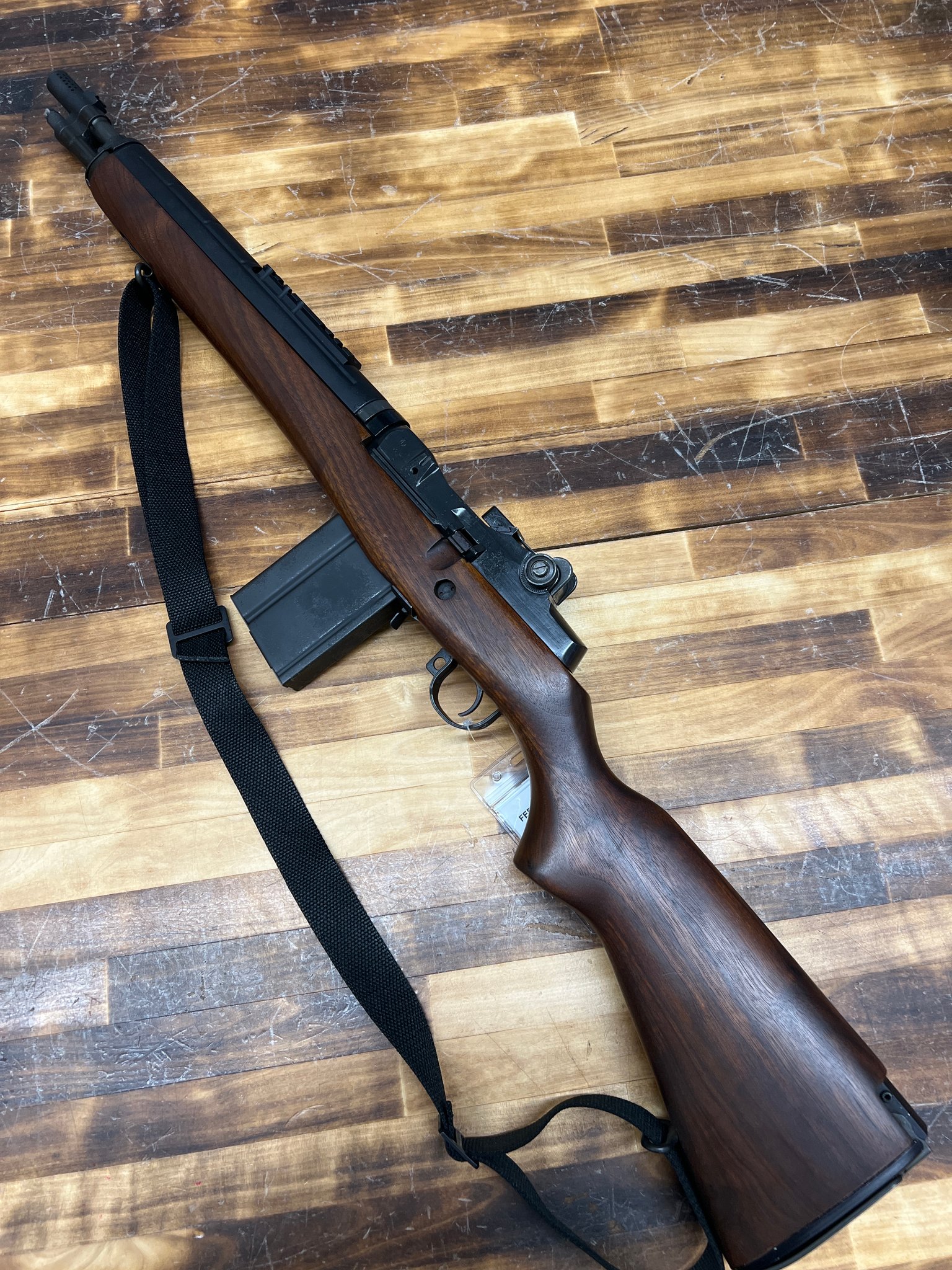
Post-war Mausers from Yugoslavia, the SKS, the M14 pattern and the last bolt-action service rifles.



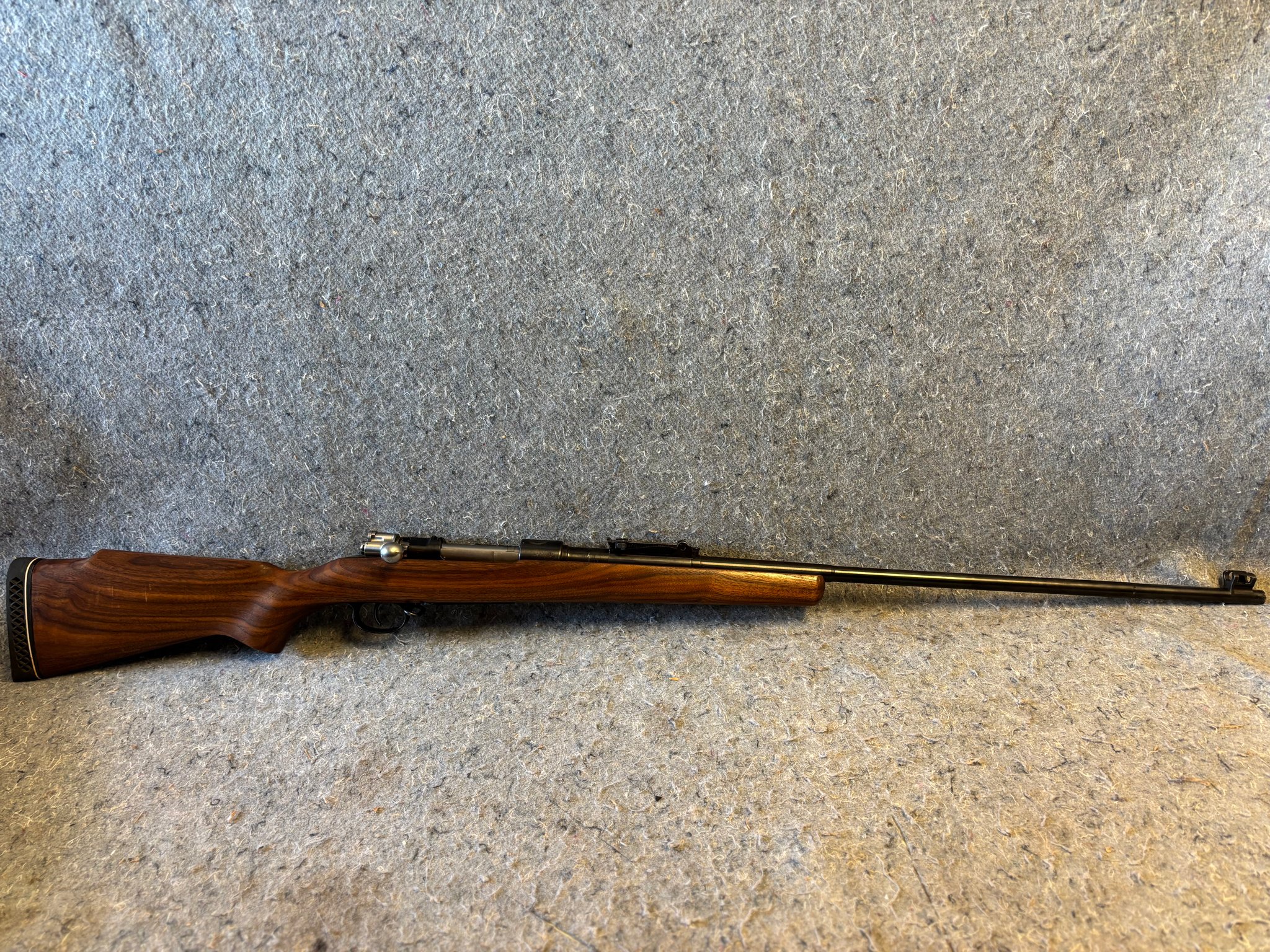
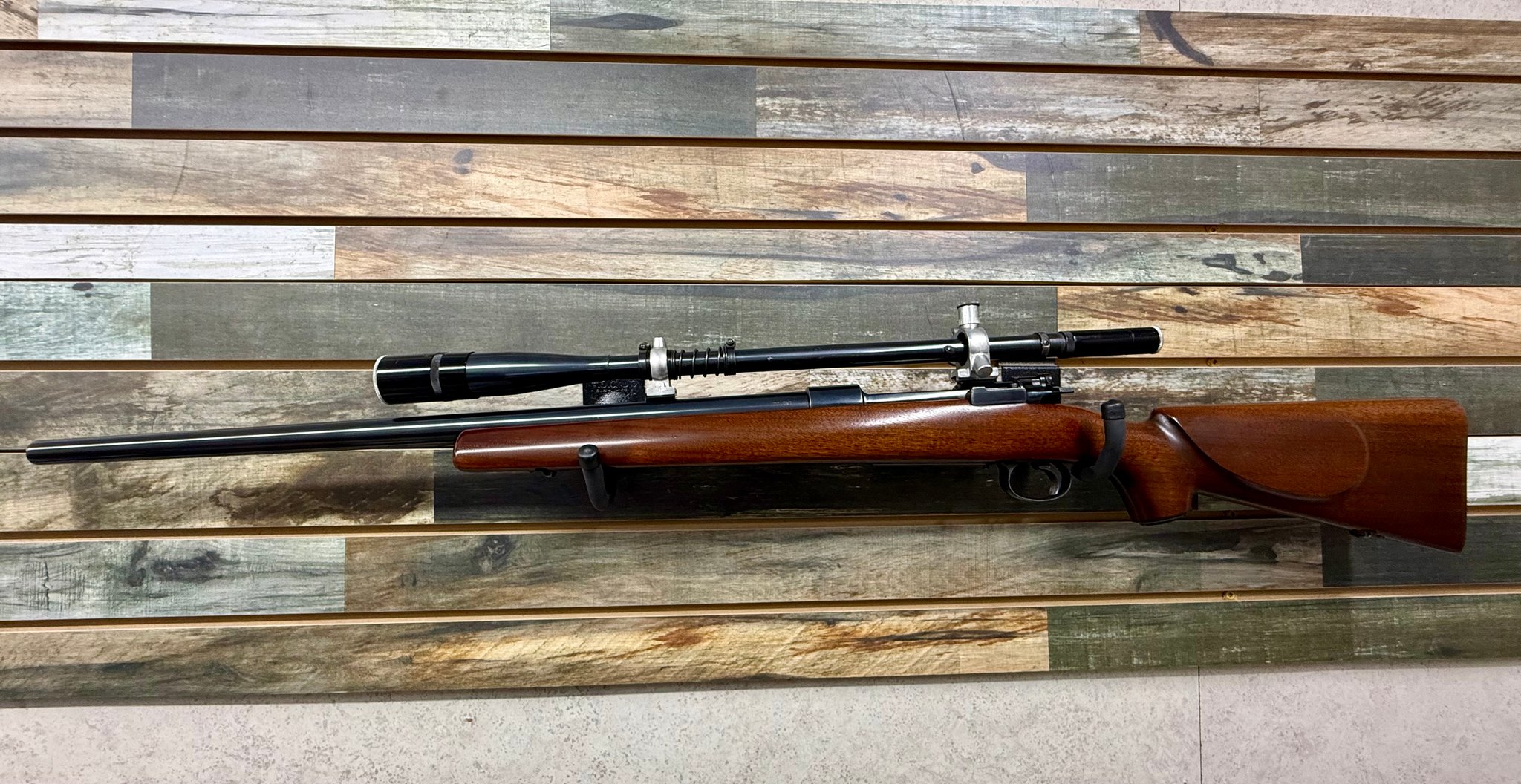
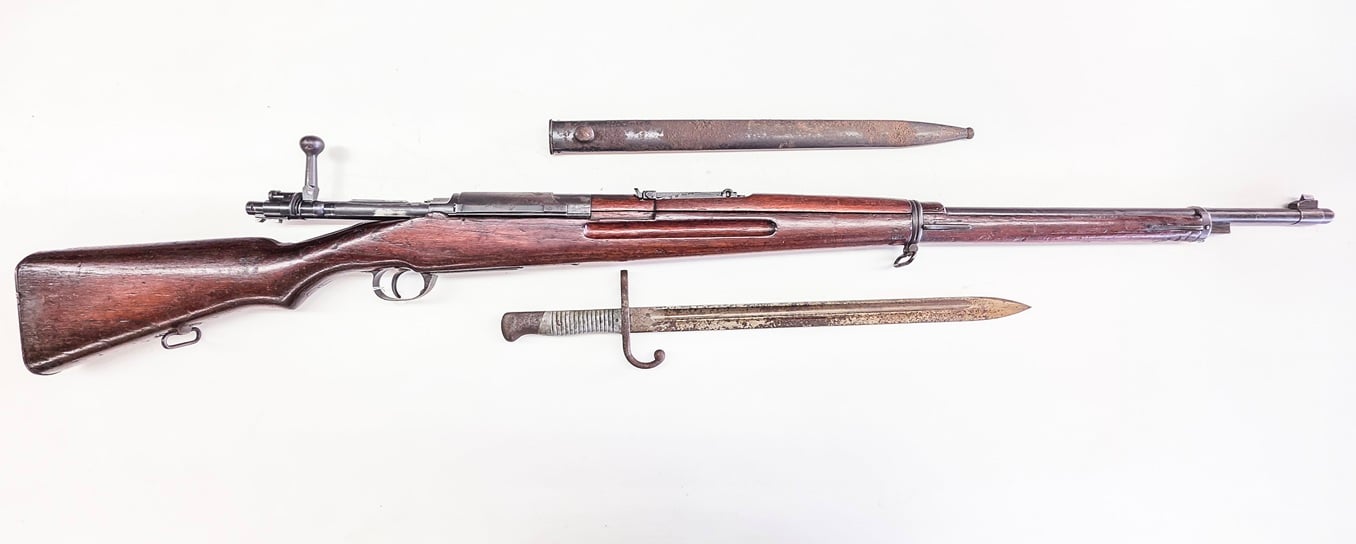

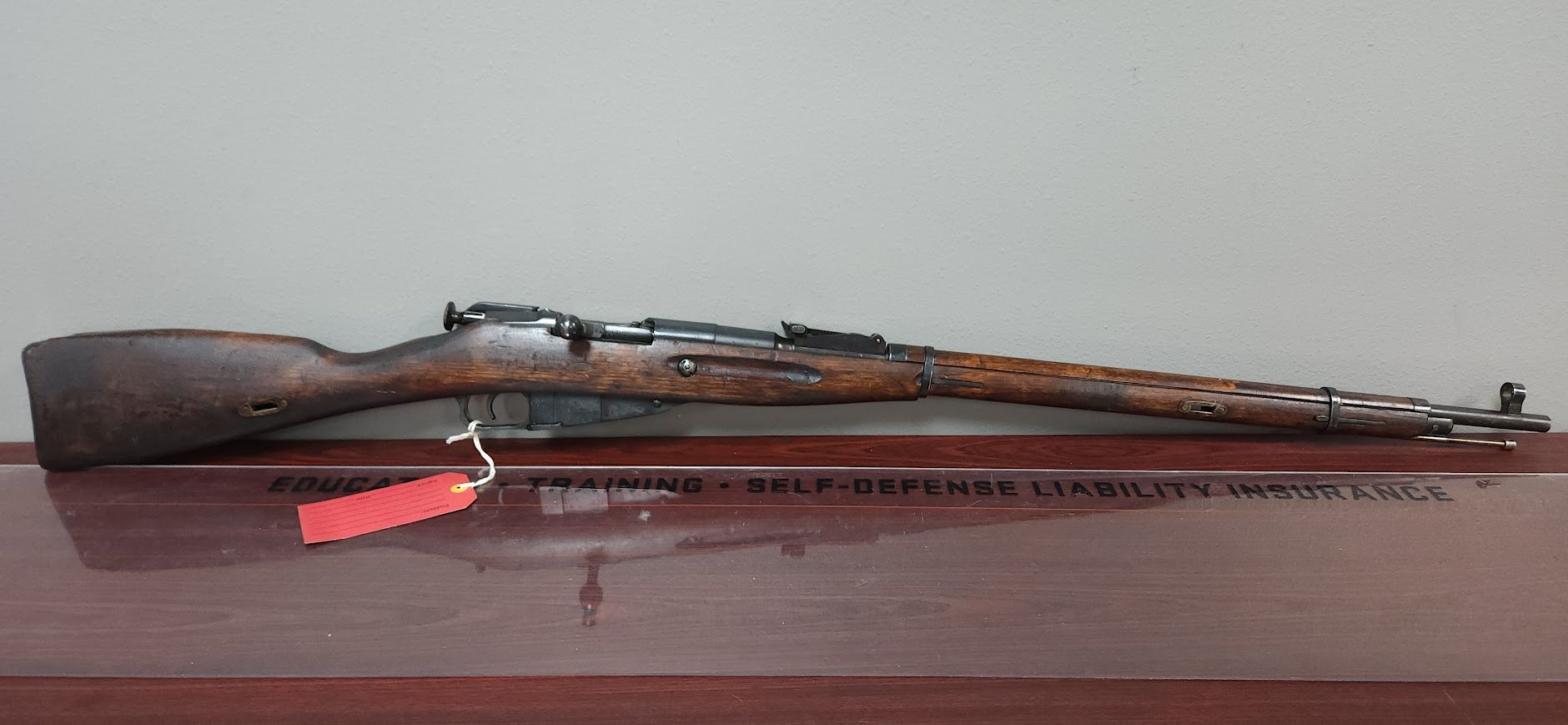
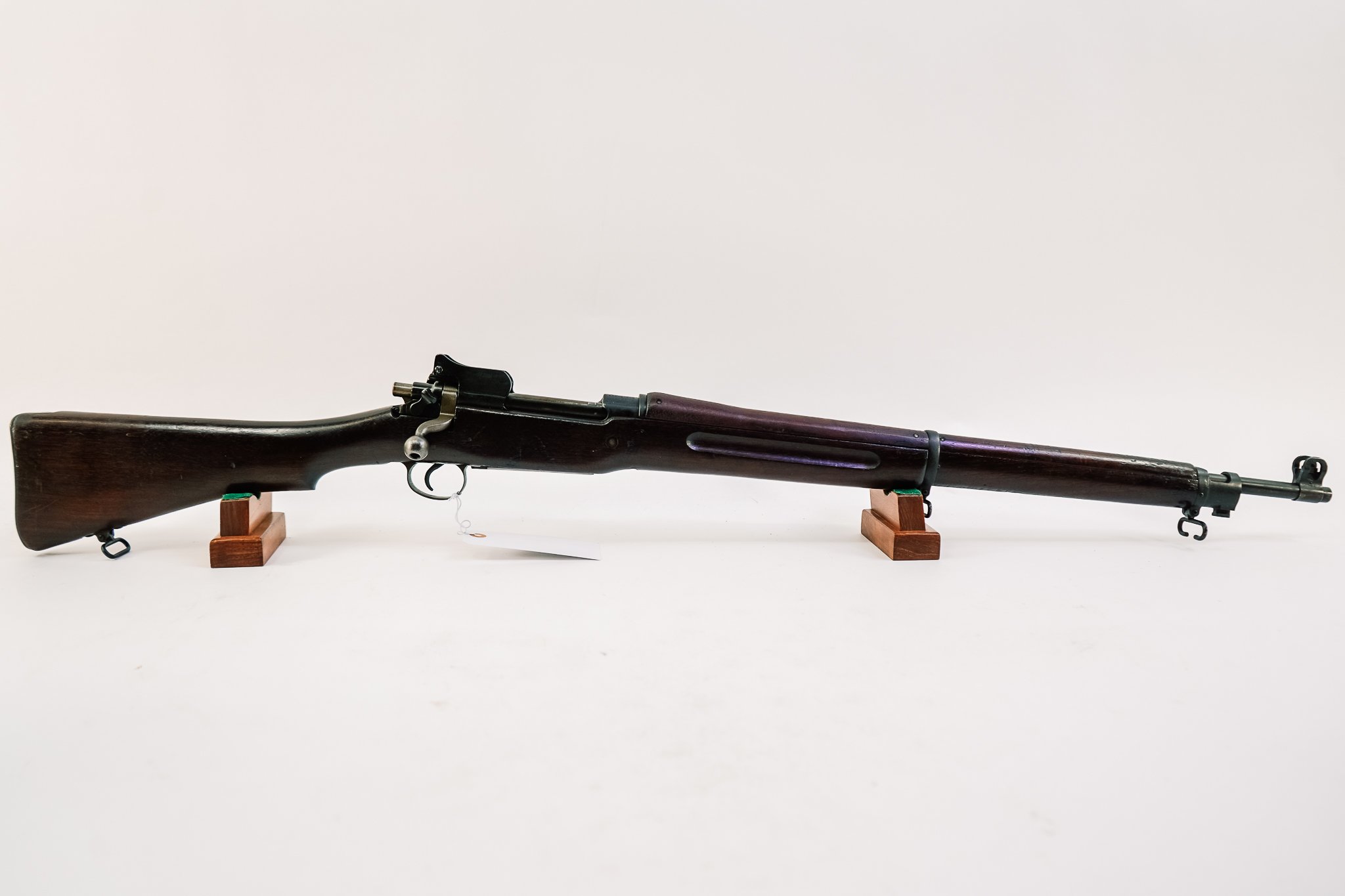
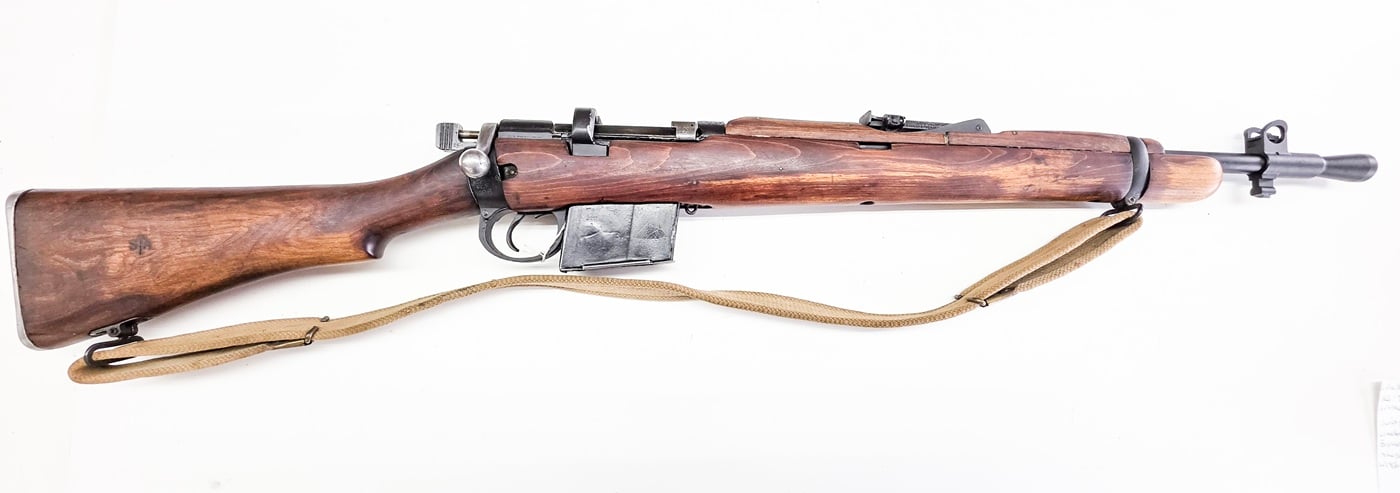
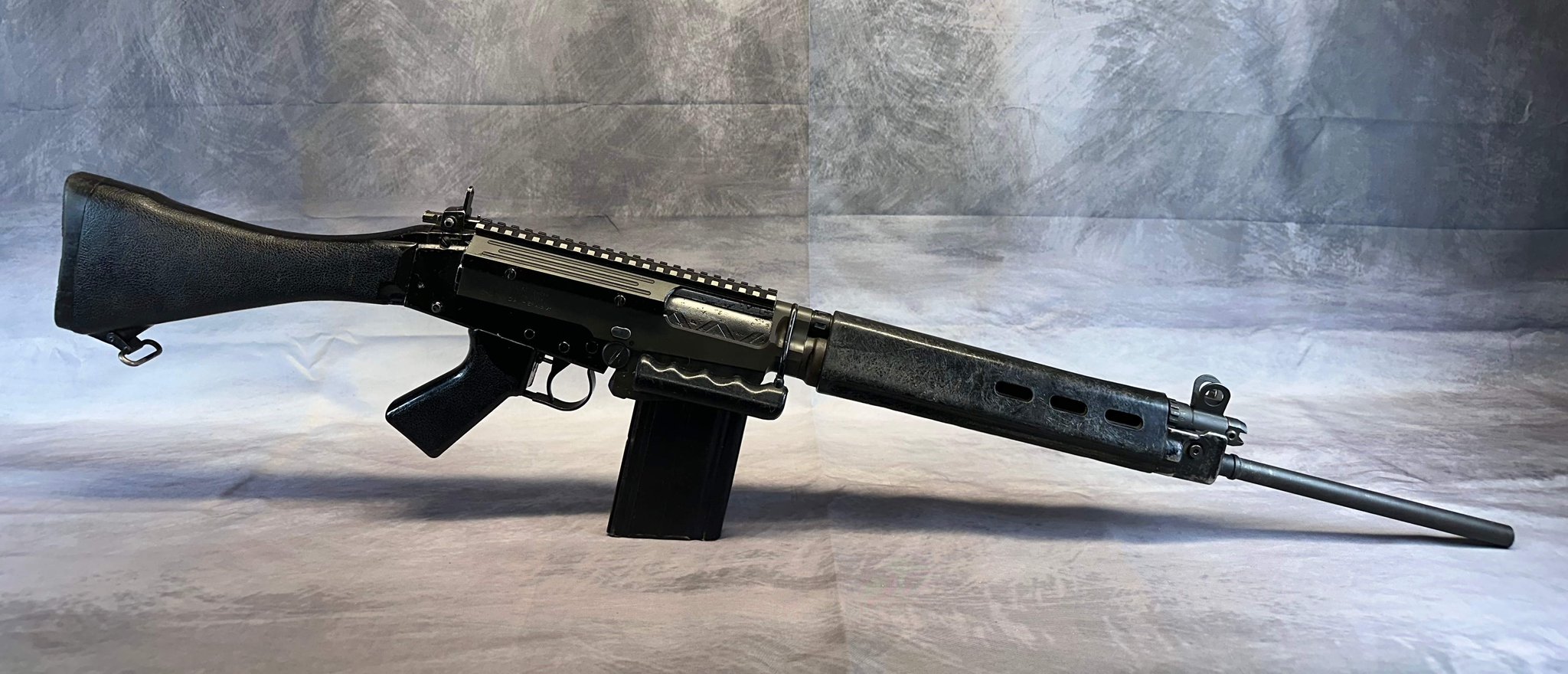
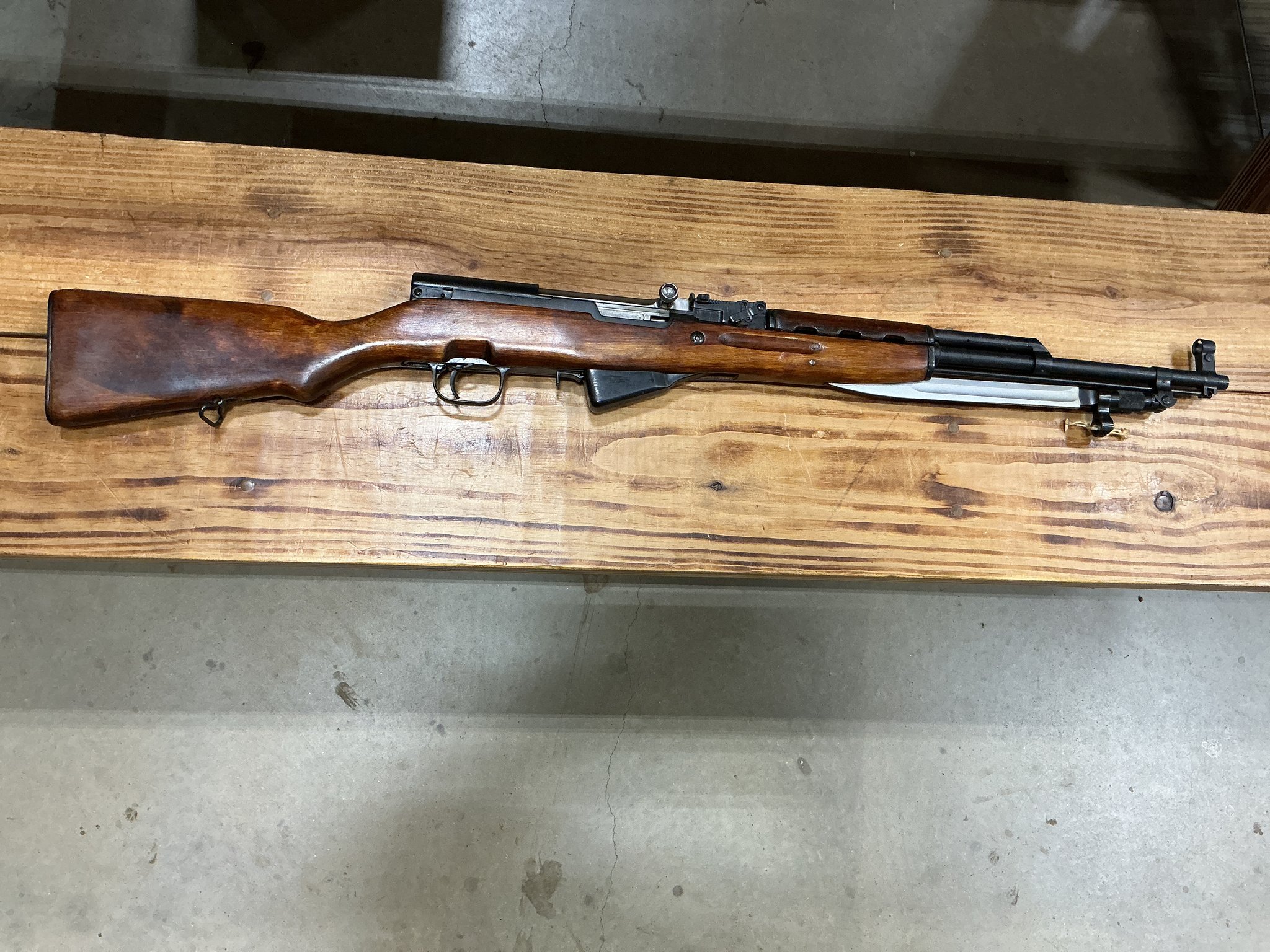

The ATF Type 03 Collector of Curios and Relics license, from 27 CFR Part 478. General information, not legal advice.
Firearms made at least 50 years ago (not replicas), firearms a museum curator certifies, and firearms valued for rarity or history (27 CFR 478.11). Most rifles from the two world wars qualify by age.
Receive curios and relics across state lines at the address on your license, from dealers and other collectors. It does not cover modern firearms and is not a dealer's license.
Form 7CR, $10 a year for a three-year license ($30), and a bound book of every curio or relic received and disposed of (27 CFR 478.42, 478.49, 478.125).
Alongside the originals the register carries 128 current-production rifles in the old patterns, such as new M1A and M1 Carbine rifles. They are new firearms, not curios or relics, and always ship to a dealer. See them.
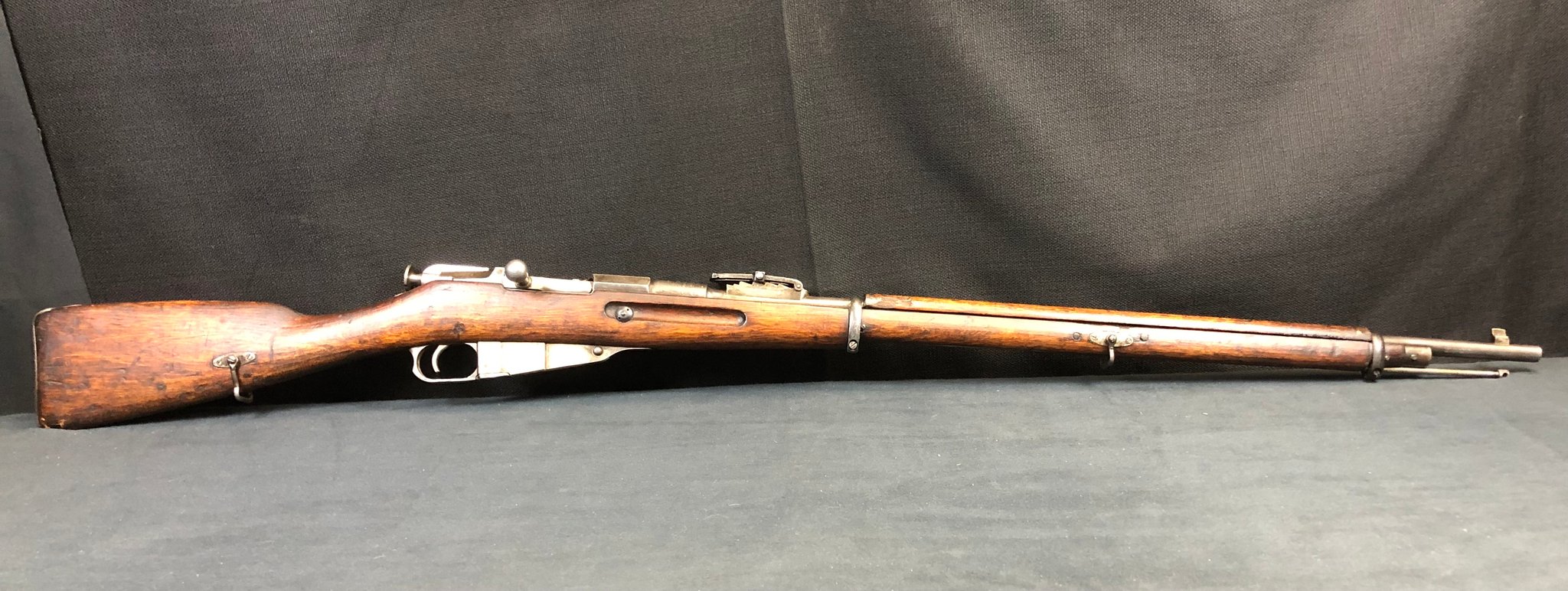
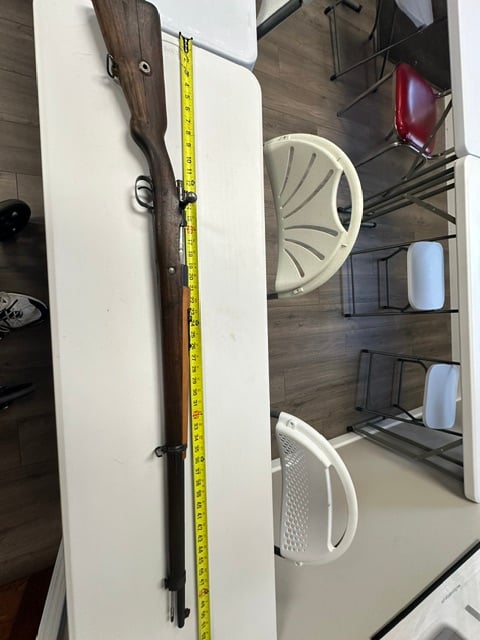
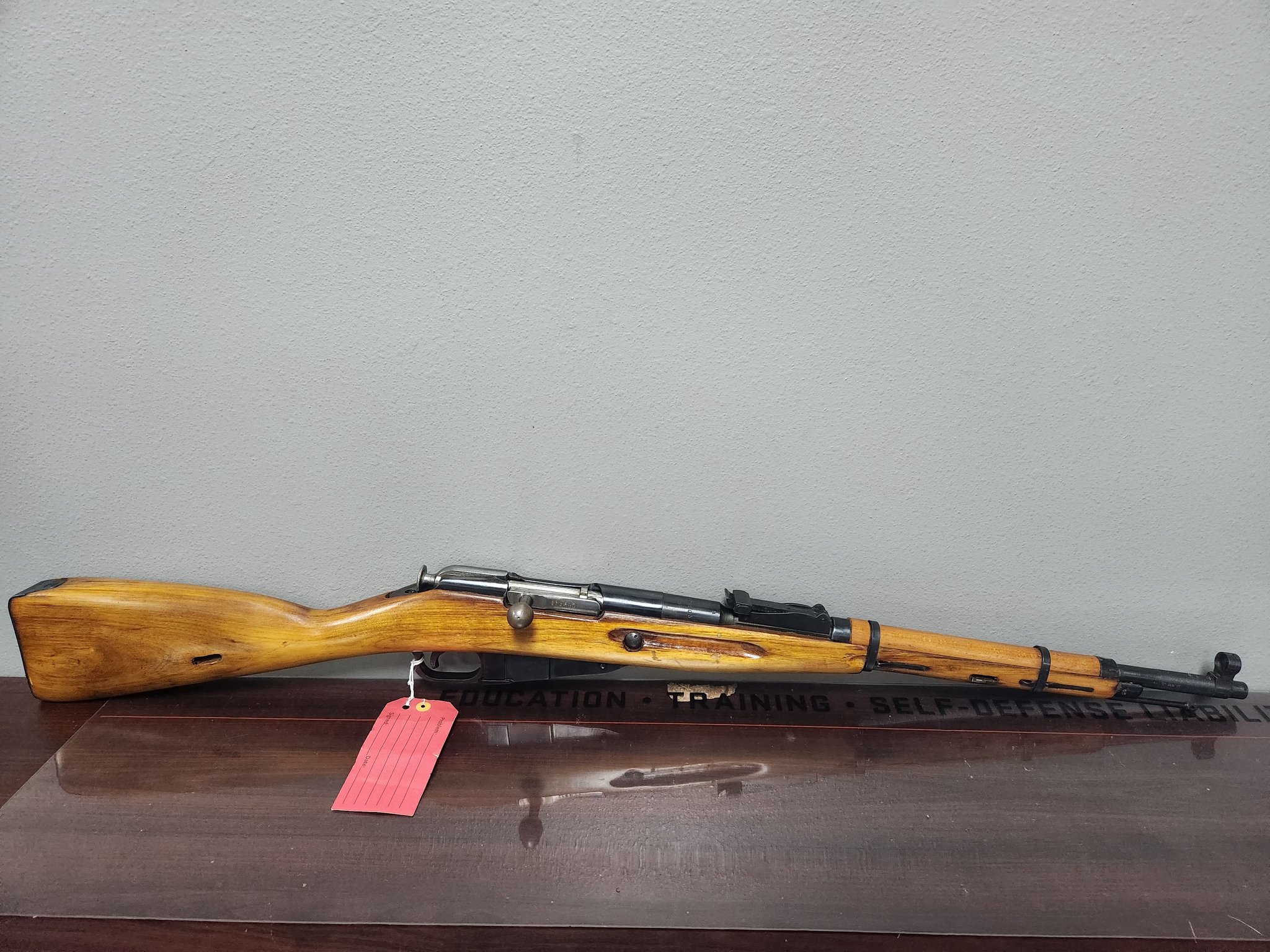
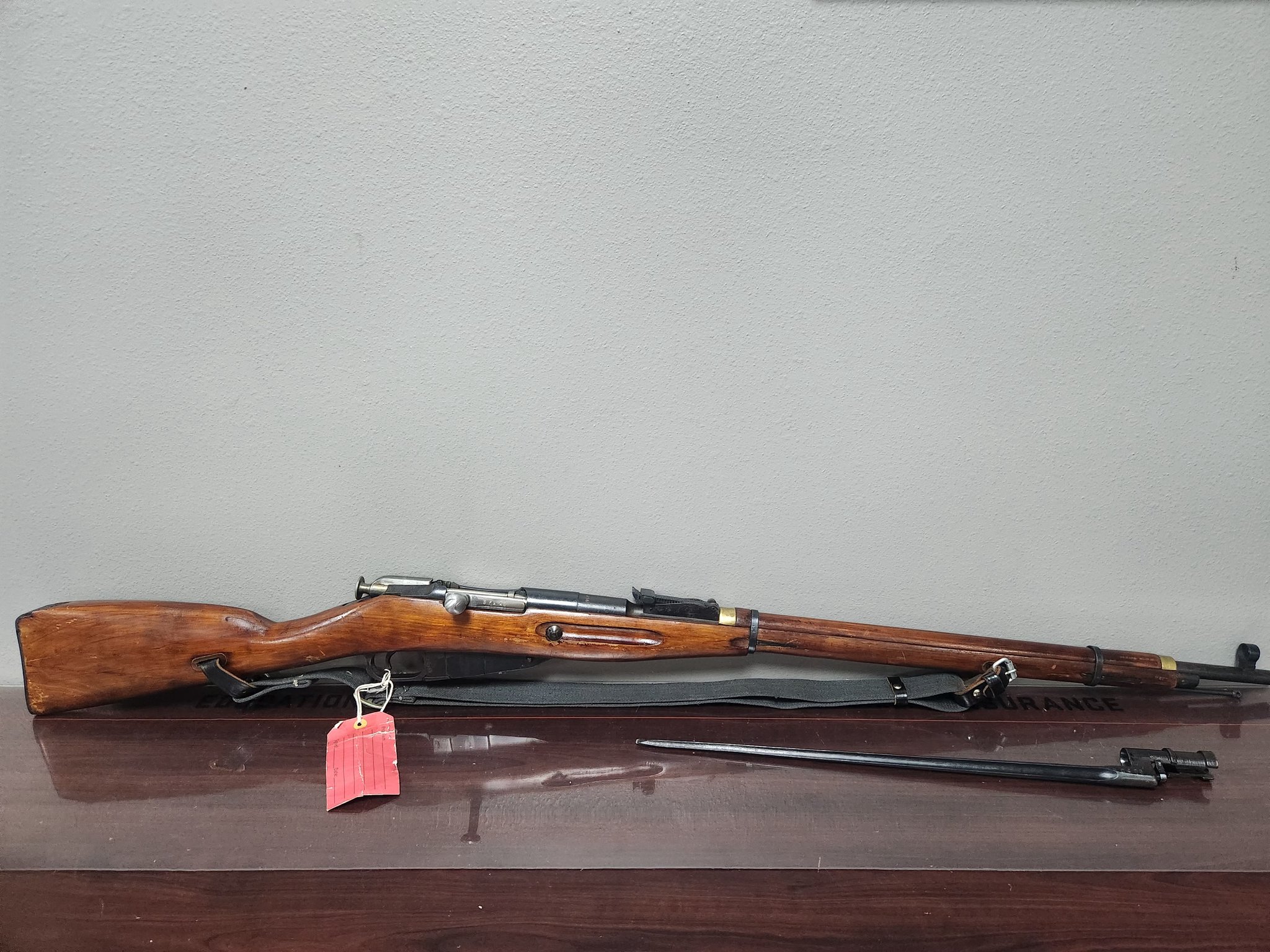
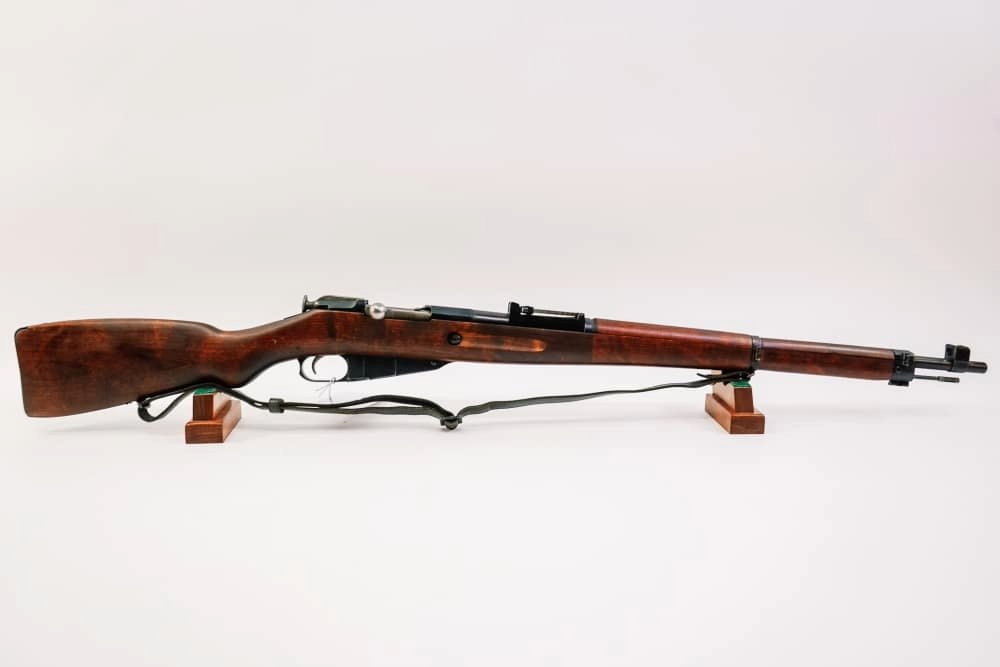
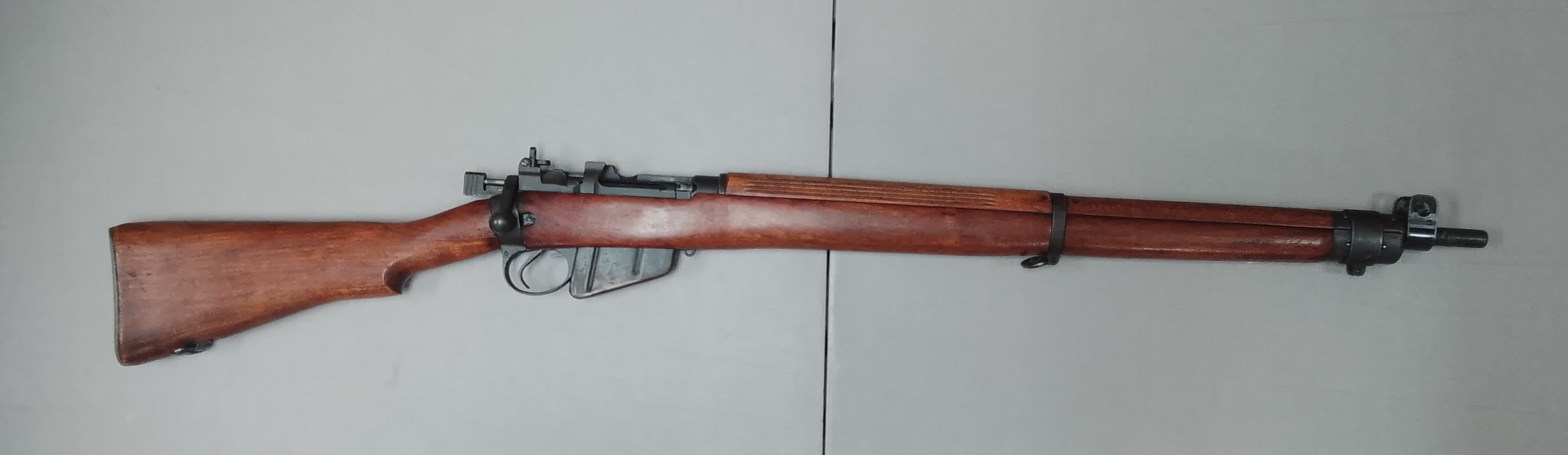
Surplus Rifle Store collects the bolt actions and early semi-automatics that armed the world from the 1880s to the Cold War, and lists them the way an archive would: by pattern, by nation and by era. Most of what is here is a single used rifle with its own photographs, its own markings and its own history, so two listings for the same model are rarely the same rifle. Alongside them sit a smaller number of new rifles built to the old patterns, such as current M1A and M1 Carbine production; these are tagged as current production and are not curios or relics.
Every rifle ships to the licensed dealer you choose, where you complete Form 4473 and the background check, at 18 or older under federal law and 21 where a state requires it. If you hold an ATF Type 03 Curio and Relic license, a rifle that qualifies can ship to your licensed address where your state allows it; contact us before ordering. Our C&R license guide sets out the rules from 27 CFR Part 478.
The guides answer the questions collectors actually ask: how to tell a Remington 1903A3 from a Smith-Corona, what a low-number receiver is, how to read a Garand's throat erosion, why a Mosin is force-matched, which Mauser fires which cartridge and what an import mark tells you. The city pages cover twenty cities, many of them beside the Army posts and ranges where these rifles were issued and are still shot, with each state's purchase rules, deer seasons and public ranges.